

Torque Converter Repair & High-Stall Specialists

We diagnose, rebuild, and tune torque converters for standard, performance, and industrial applications.
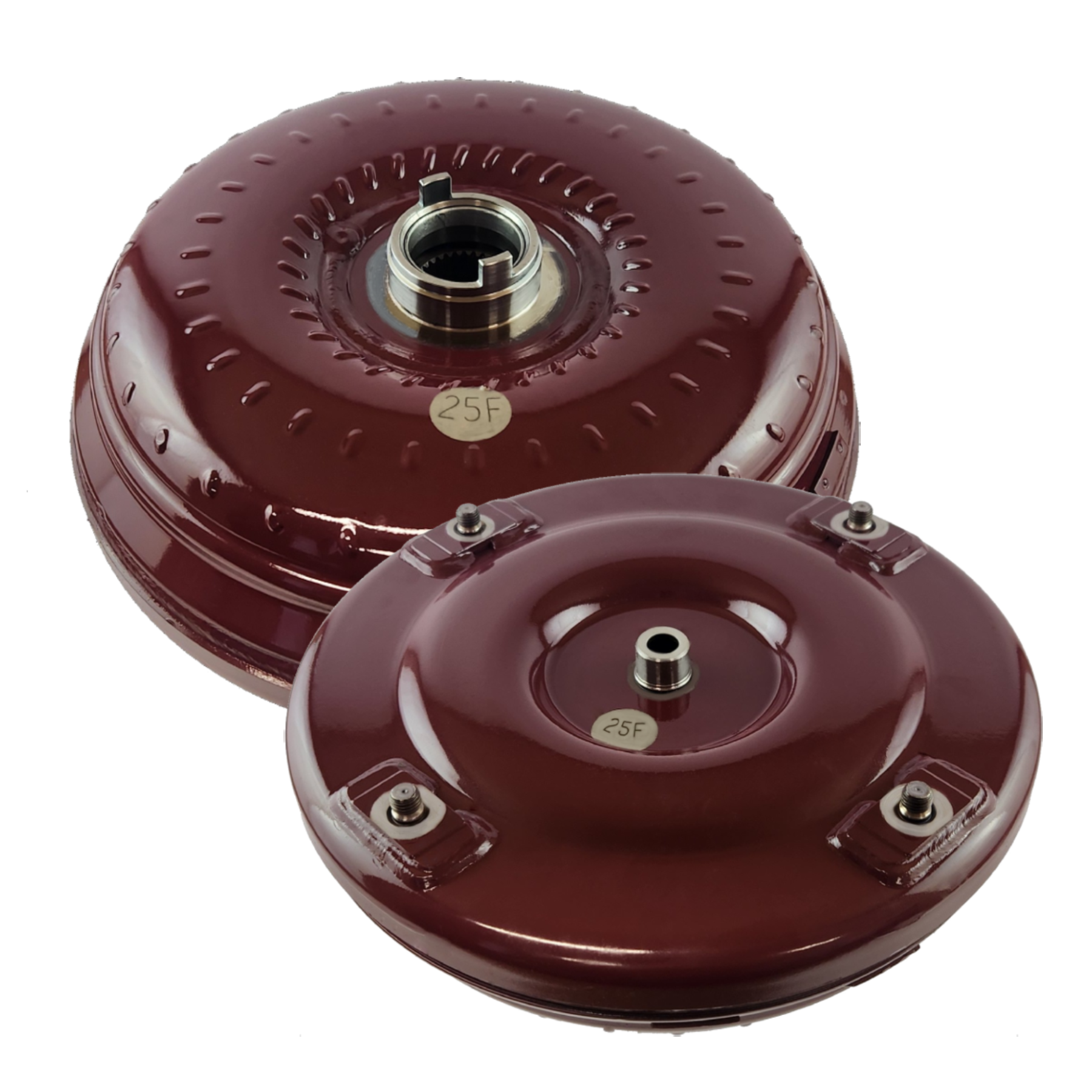
Torque Converter Hero Image

About Us

We are Melbourne’s torque converter specialists providing diagnostic insights…

TCT combines workshop know-how with modern diagnostics to deliver converters that last.

Our Mission

For over 25 years, the engineers behind the Accelerator name have been dedicated to building high-performance torque converters with consistency, precision, and reliability. Our mission is to continue that legacy of delivering converters that suit everything from mild street setups to full race applications.

Our Process

Every Accelerator converter is manufactured using specialised in-house welding equipment, lathes, milling machines, presses, and balancing systems designed for optimum quality. From clean-outs and servicing to reworking, brazing, and performance tuning, each unit is built and refined with industry-proven methods.

Our Team

The Accelerator team consists of highly experienced technicians who have spent decades working with high-stall converters, power-boosted engines, and motorsport applications. Their expertise ensures accurate diagnostics, tailored stall setups, and dependable performance upgrades for any vehicle.

Industry Memberships

TCT are proud members of the following industry associations, ensuring our workmanship meets national and international standards.

TCRA Logo

TCRA

Torque Converter Rebuilders Association

www.tcraonline.com
ATRA Logo

ATRA

Automotive Transmission Rebuilders Association

www.atra-gears.com
VACC Logo

VACC

Victorian Automotive Chamber of Commerce

www.motor.net.au/VACC

Our Services

accelerator icon

From OEM rebuilds to performance tuning and custom high-stall converters — each service is handled with precision and care.

⚙️

Standard

OEM-spec diagnosis and rebuilds for daily drivers and fleets with a focus on reliability and value.

Best for: Routine repairs, commuting vehicles
🏎️

Performance

Optimised internals and stall setup for sharper response and acceleration in high-performance builds.

Best for: Power builds, street and track
🚜

Industrial

Heavy-duty converters for machinery and commercial vehicles designed for uptime and endurance.

Best for: Fleet, plant, heavy equipment
🔥

High-Stall

Custom stall speeds, upgraded internals, and tuned drivability matched to your power setup and goals.

Best for: Drag, track, tuned street

FAQ

Common Questions

Answers to the fundamentals of torque converters, stall speed, lockup, and how to choose the right unit for your build.

What is a torque converter?
A hydraulic coupling between engine and automatic transmission. It multiplies torque at low speed and lets the car idle in gear without stalling.
What does a torque converter do?
It transfers engine power to the transmission through fluid dynamics (impeller, turbine, stator) and, in many units, a lock-up clutch for efficient cruising.
What is a torque converter?
A hydraulic coupling between engine and automatic transmission. It multiplies torque at low speed and lets the car idle in gear without stalling.
What does a torque converter do?
It transfers engine power to the transmission through fluid dynamics (impeller, turbine, stator) and, in many units, a lock-up clutch for efficient cruising.
What does “stall speed” mean?
The RPM where the converter holds the engine against load before the car moves decisively. It depends on engine torque, vehicle weight, gearing and the converter’s design.
What are lockup converters?
Converters with an internal clutch that mechanically couples engine to transmission at cruise (1:1), reducing slip, heat and improving fuel economy.
Why is a lockup converter necessary or even desirable?
Lower cruise RPM, better economy and temps, and solid feel on highways/overdrive gears. Modern autos rely on it for efficiency targets.
How do I choose the right converter?
Match stall to cam, torque curve, diff ratio, tyre, vehicle weight and usage. Share specs via the High-Stall Request and we’ll recommend a range.
How much stall speed is too much?
If stall exceeds your engine’s peak-torque window, you waste heat and drivability. As a guide, aim ~500–700 RPM below peak torque for street setups.
Why is stock stall so low compared to 2000+ RPM recommendations?
OEMs prioritise economy, emissions and towing. Performance builds benefit from higher stall to launch in the engine’s “fat” torque band.
If more stall is good, is a lot more stall better?
Not necessarily. Too high reduces efficiency, increases heat and can feel mushy. Choose stall for the actual cam and use case.
A friend’s “2800 stall” only flashed ~2000 RPM. Why?
Stall is not a fixed number. Vehicle torque, weight, gearing, tyres and brake hold change observed RPM. Unit labels are indicative, not absolute.
How does camshaft change (lift, duration, LSA) affect converter choice?
Bigger cams shift torque higher and soften low-end vacuum/torque — you’ll usually need higher stall to launch in the new power band.
Is stall speed the only consideration for a high-stall converter?
No. Lock-up strategy, stator selection, clutch material, fin angle/brazing, and cooler capacity all matter for street manners and durability.
What engines suit ~2500 RPM stall?
Mild cam street V8s and torquey sixes that peak around 3–4k RPM. It keeps take-off crisp without excessive slip on cruise.
If I buy higher stall for a stock engine, will the car creep less at idle?
Generally yes, creep reduces as coupling occurs at a higher RPM. Correct tuning keeps drivability normal.
Does stall speed affect normal driving?
A well-matched converter feels stock-like in traffic and tighter at cruise (especially with lock-up). Mismatch = heat and soggy feel.
How can I be sure my converter is a genuine Accelerator Hi-Stall?
Check branding, serial tag, invoice and warranty. Buy directly from us or authorised partners — we’re happy to verify numbers.